Is Himalayan Pink Salt Good for You?


Is Himalayan pink salt good for you? The honest answer is less dramatic—and more useful—than many of the claims found online. Himalayan pink salt can be part of a balanced diet when used in moderation, but it is still salt. Its natural color, texture, origin, and culinary versatility make it distinctive; they do not turn it into a medicine or a major source of minerals.
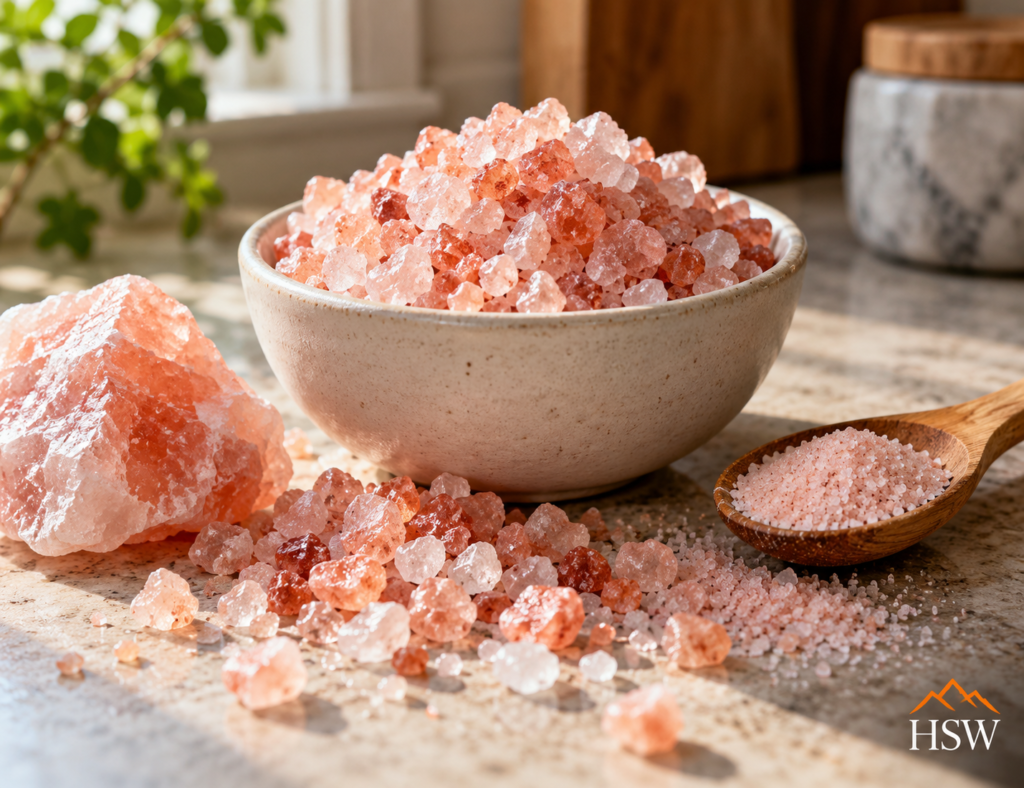
Place a bowl of pink salt beside regular table salt and the visual difference is obvious. One contains crystals in shades of pale rose, peach, and deep red, while the other is usually bright white and uniform. That contrast naturally makes people wonder whether the pink version is also better for their health.
The answer depends on what “better” means. If you enjoy its flavor, coarse texture, natural appearance, or minimal processing, pink salt may be the better choice for your kitchen. However, if you expect it to detox the body, cure an illness, or supply large amounts of essential minerals, the evidence does not support those expectations.
So, Is Himalayan Pink Salt Good for You?
Himalayan pink salt is fine for most healthy adults when it is used sensibly. Like regular salt, it provides sodium, an essential nutrient involved in fluid balance, nerve signals, and normal muscle function. The problem begins when total sodium intake becomes too high.
Pink salt contains small amounts of naturally occurring minerals, but it is still made primarily of sodium chloride. Those trace minerals contribute to its color and character, yet the quantities are generally too small to make a meaningful difference to an otherwise balanced diet.
In simple terms, pink salt can be a flavorful and attractive alternative to table salt. It should not be treated as an unlimited “healthy salt.”
What Exactly Is Himalayan Pink Salt?
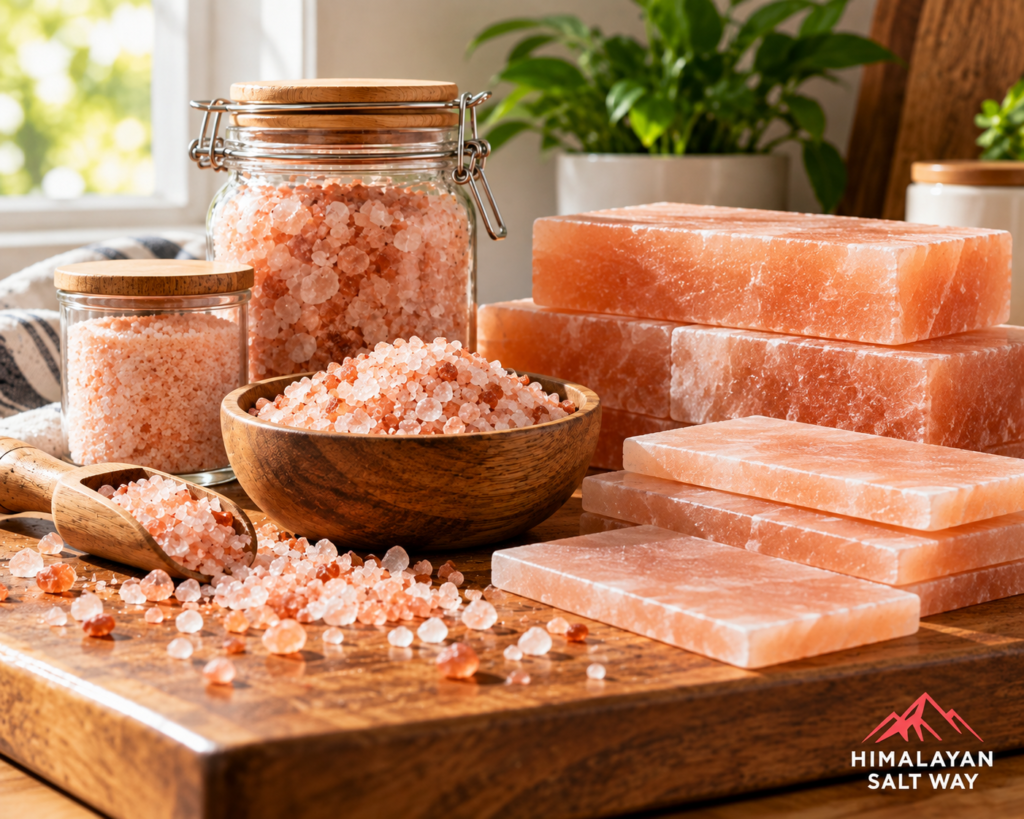
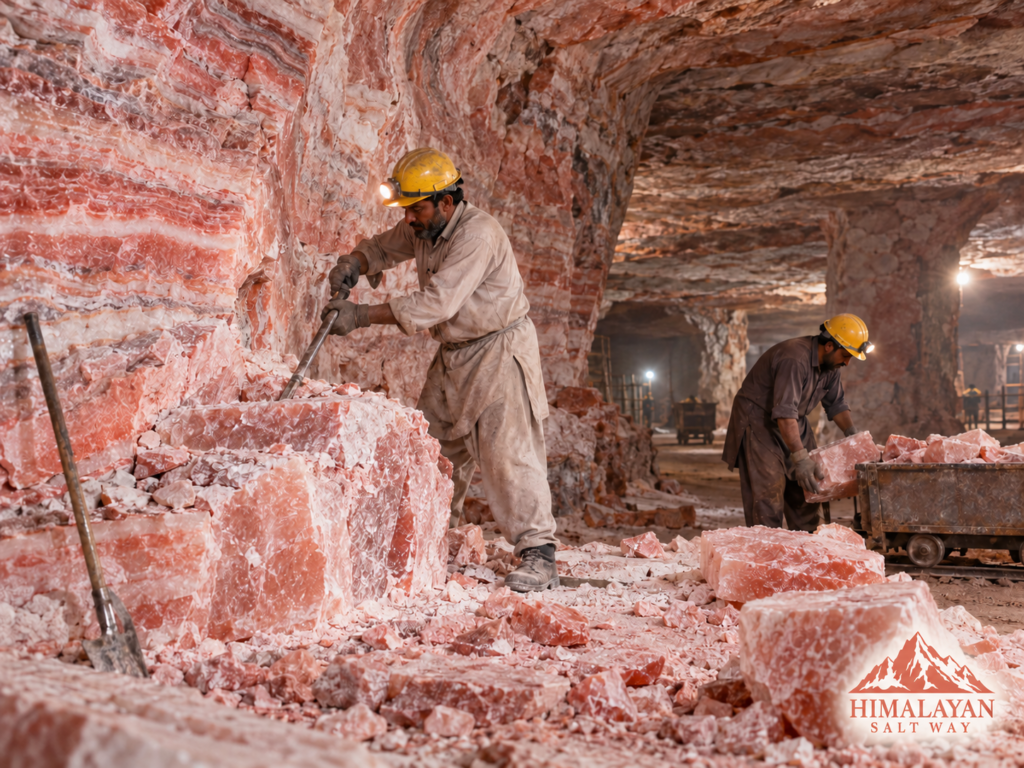
Himalayan pink salt is natural rock salt associated with the Salt Range of Punjab, Pakistan. It is extracted in solid crystalline form and may then be crushed for seasoning or cut into cooking blocks, tiles, bricks, lamps, and decorative pieces.
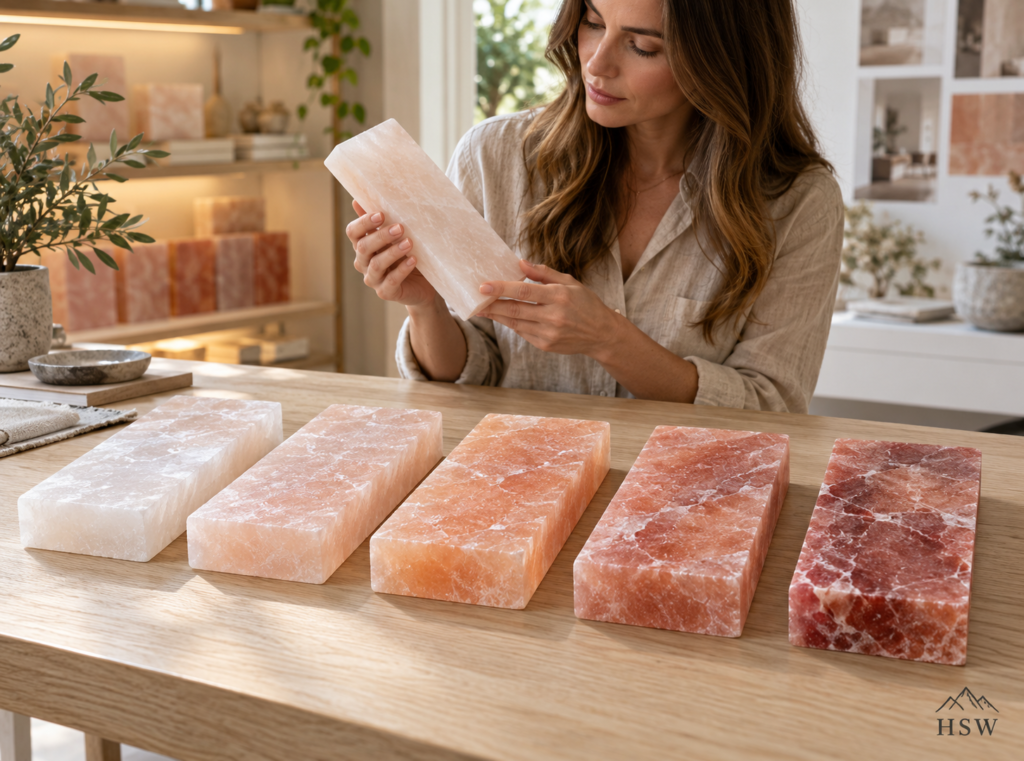
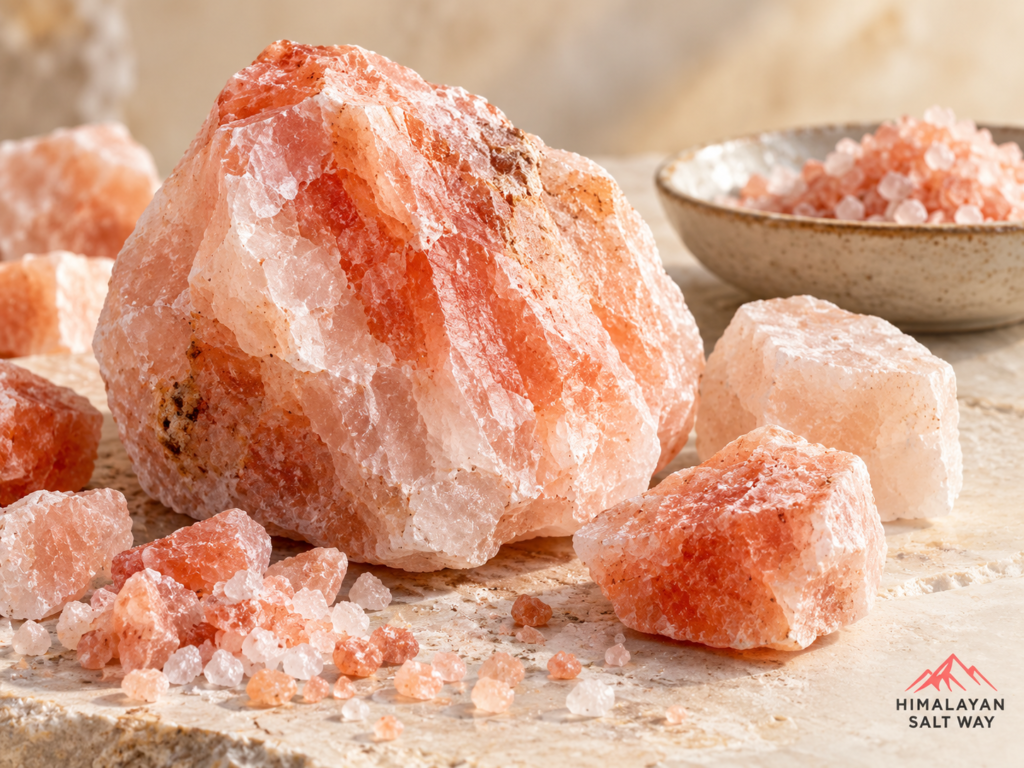
Its color is not artificially painted onto the salt. Natural variations within the rock create shades ranging from nearly white and light pink to orange and dark reddish pink. Iron and other trace elements contribute to these variations.
Because it comes from a natural deposit, two pieces rarely look exactly alike. That irregularity is part of its appeal. You can read more about its source, color, and different applications in our guide to what makes Himalayan salt special.
What Minerals Does Pink Salt Contain?
This is where marketing and reality often drift apart.
Pink salt can contain trace amounts of minerals and elements such as calcium, potassium, magnesium, and iron. However, “contains minerals” is not the same as “provides a useful amount of minerals.”
A published analysis of the mineral composition of pink salt examined multiple samples and found considerable variation between products. The researchers concluded that a person would need to consume an excessive amount of salt to obtain a meaningful nutritional contribution from most of those minerals.
That would create a much larger sodium problem than any benefit the trace minerals might provide. Foods such as vegetables, fruit, dairy products, legumes, nuts, seafood, and whole grains are far better sources of essential nutrients.
Pink salt’s mineral profile is interesting, but it should not be the main reason for adding more salt to your meals.
Realistic Benefits of Himalayan Pink Salt
The word “benefit” does not have to mean a medical effect. Pink salt offers several practical qualities that explain its popularity.
Distinctive Flavor and Texture
Many people enjoy the flavor and crunch of coarse pink salt as a finishing touch. A small amount can be sprinkled over roasted vegetables, grilled meat, eggs, salads, or homemade bread.
Different crystal sizes also make it useful for different purposes. Fine salt blends easily into recipes, while larger crystals add texture and visual appeal when used carefully.
Natural Appearance
Pink salt has a warm, recognizable color that makes food presentation more interesting. Its appearance is especially attractive on serving boards, grilled dishes, chocolates, and restaurant-style plates.
Culinary Versatility
Himalayan salt is not limited to loose seasoning. Solid food-grade blocks can retain heat for cooking or remain cold for serving cheese, fruit, seafood, sushi, and desserts.
Cooking on a salt block requires more care than using an ordinary pan. The block needs gradual heating, minimal moisture, slow cooling, and dry storage. Our complete Himalayan salt block cooking guide explains the process in detail.
Anyone interested in trying this method should use a product made specifically for food preparation, such as a food-grade Himalayan pink salt cooking block with a steel tray. Decorative bricks, wall tiles, lamps, and animal salt licks should never be used as cooking surfaces.
Often Sold With Fewer Additives
Some pink salt products contain only natural rock salt, while ordinary table salt may include anti-caking agents. This varies between brands, so the ingredient label remains more reliable than assumptions based on color or packaging.
Pink Salt vs. Regular Table Salt
The biggest differences between pink salt and table salt relate to appearance, texture, processing, and iodine—not a dramatic difference in their basic nutritional purpose.
| Feature | Himalayan Pink Salt | Regular Table Salt |
|---|---|---|
| Main component | Sodium chloride | Sodium chloride |
| Appearance | Pink, peach, orange, or reddish crystals | Fine, uniform white crystals |
| Trace minerals | Present in small and variable quantities | Usually present in very small quantities |
| Iodine | Usually not iodized unless stated on the label | Often available with added iodine |
| Texture | Fine, coarse, or solid blocks | Usually finely ground |
| Common uses | Seasoning, finishing, cooking blocks, and serving | Everyday cooking and baking |
Neither option gives permission to ignore portion size. From a health perspective, the total amount of sodium consumed throughout the day matters more than whether the salt is pink or white.
Sodium Matters More Than Color
It is easy to focus on salt added at the table, but much of a person’s sodium intake may come from packaged foods, sauces, restaurant meals, processed meats, snacks, and ready-made dishes.
The World Health Organization’s sodium guidance recommends that adults consume less than 2,000 milligrams of sodium per day, which is equivalent to less than 5 grams of salt. This total includes sodium from every source—not only the salt shaker.
High sodium intake can raise blood pressure and increase cardiovascular risk. Replacing table salt with pink salt will not automatically solve that problem if the total quantity remains excessive.
A practical approach is to use salt for flavor rather than out of habit. Taste food before adding more, measure salt while cooking, and use herbs, garlic, lemon, pepper, or spices to build flavor without relying entirely on sodium.
Does Himalayan Pink Salt Contain Iodine?
Most Himalayan pink salt is not iodized unless the packaging clearly says otherwise.
Iodine is needed for the body to produce thyroid hormones. According to the National Institutes of Health iodine fact sheet, specialty salts—including Himalayan salt—are not usually iodized. The product label should state whether iodine or iodide has been added.
Someone who completely replaces iodized salt with non-iodized pink salt should make sure they receive enough iodine from other foods. Seafood, dairy products, eggs, seaweed, and certain fortified foods may provide iodine, although individual requirements and diets differ.
People who are pregnant, breastfeeding, following a restricted diet, or managing a thyroid condition should discuss their iodine needs with a qualified healthcare professional.
What About Detox and Hydration Claims?
Online posts sometimes claim that pink salt water removes toxins, balances the body’s pH, causes weight loss, or provides extraordinary hydration. These statements often sound scientific without being supported by strong clinical evidence.
The body already has organs—including the liver and kidneys—that manage waste and maintain a tightly controlled internal balance. Drinking salty water does not perform a special detoxification process.
Sodium is an electrolyte, but that does not mean everyone needs to add salt to drinking water. Most people can remain hydrated with ordinary water and a balanced diet. Extra electrolytes may be useful in specific circumstances, such as prolonged heavy exercise or certain illnesses, but the correct amount depends on the situation.
Adding pink salt to water without considering the rest of the diet can simply increase daily sodium intake. People with high blood pressure, heart disease, kidney problems, or fluid-retention concerns should be particularly careful.
Can Pink Salt Help With Weight Loss?
Pink salt does not burn fat or directly cause weight loss.
A salty drink might temporarily change how much water the body retains, but that is not the same as losing body fat. Sustainable weight management still depends on overall eating habits, physical activity, sleep, and individual health needs.
Be cautious with products or social media posts promising rapid weight loss through “sole water,” salt cleanses, or detox drinks. Natural does not automatically mean risk-free.
How to Use Himalayan Pink Salt Sensibly
You do not need a complicated routine. A few simple habits are enough:
- Use a small amount and taste the food before adding more.
- Choose food-grade salt for cooking and seasoning.
- Check the label to see whether the product contains iodine.
- Keep track of sodium from packaged foods, sauces, and restaurant meals.
- Store the salt in a dry, sealed container.
- Use herbs, spices, citrus, and aromatics to reduce reliance on salt.
- Never consume decorative salt products that are not labeled for food use.
- Ask a healthcare professional for personalized advice if you have blood pressure, kidney, heart, or thyroid concerns.
Frequently Asked Questions
Is Himalayan pink salt healthier than table salt?
Not in a major nutritional sense. Both are primarily sodium chloride. Pink salt contains trace minerals and has a different color, texture, and origin, while iodized table salt may provide a dependable source of iodine.
Does pink salt raise blood pressure?
It can contribute to raised blood pressure when consumed in excess because it contains sodium. Changing the color or source of salt does not remove its sodium-related effects.
Can Himalayan pink salt be used every day?
Most healthy adults can use it as an everyday seasoning in moderate amounts. Total daily sodium intake is more important than the type of salt used.
Is it safe to drink Himalayan salt water?
Adding a small pinch occasionally may not be harmful for many healthy adults, but it has no proven detox or weight-loss benefit. Regularly drinking salty water can unnecessarily increase sodium intake.
Why is Himalayan salt pink?
Its natural pink, orange, and red tones come from variations and trace elements within the rock-salt deposit. The exact color differs from one piece to another.
Is every pink salt product edible?
No. Only products clearly labeled as food-grade should be used for cooking or consumption. Decorative tiles, construction bricks, lamps, and livestock products are intended for different purposes.
The Honest Conclusion
So, is Himalayan pink salt good for you? It can fit comfortably into a balanced diet, provided it is used in moderation. Its real strengths are its natural appearance, interesting texture, culinary flexibility, and distinctive presentation.
It is not a miracle mineral supplement, detox treatment, or sodium-free alternative to table salt. The healthiest choice is not simply switching from white salt to pink salt. It is understanding how much sodium you consume, checking whether you receive enough iodine, and using every type of salt thoughtfully.
Enjoy Himalayan pink salt for what it genuinely offers: a naturally beautiful and versatile form of rock salt. Just keep the health claims—and the portion size—in perspective.