Himalayan Salt Block Recipes: 10 Easy Ideas


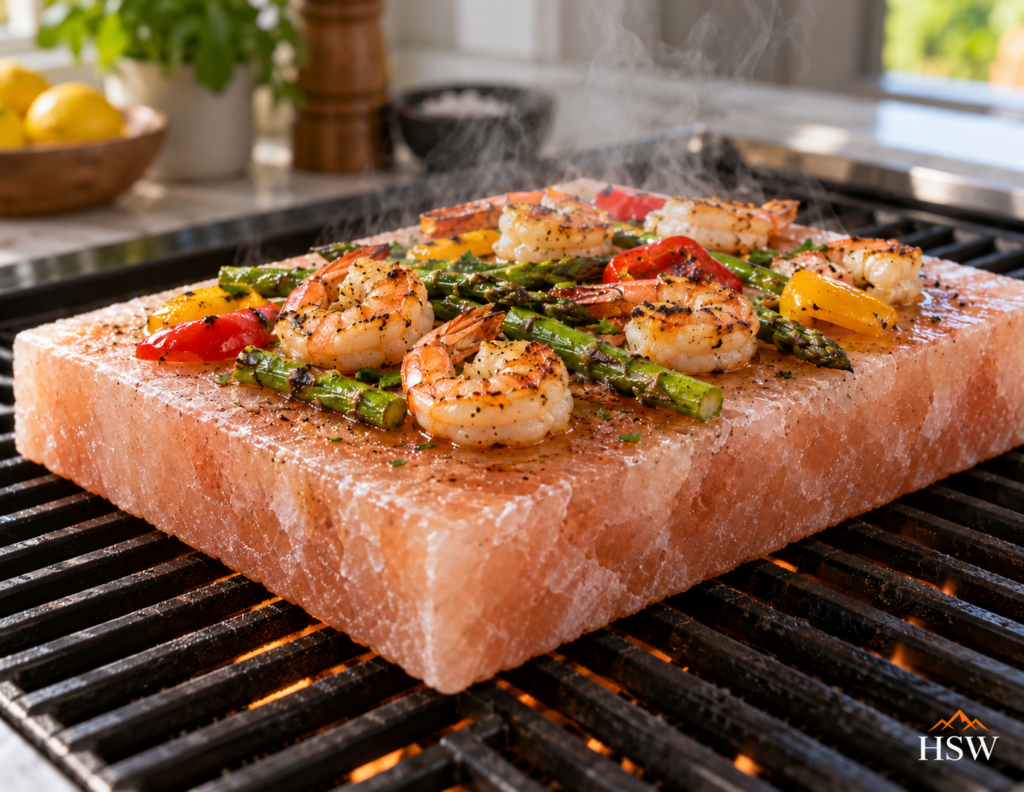
Himalayan salt block recipes can look impressive without being complicated. The block itself becomes part of the cooking process, holding heat while lightly seasoning whatever touches its surface. Once you understand how to heat it gradually and choose the right ingredients, it becomes surprisingly easy to use.
The first meal does not need to be a restaurant-style experiment. Thin cuts of meat, shrimp, salmon, firm vegetables and fruit are all good places to begin. They cook quickly, are easy to handle and allow you to learn how your particular block transfers heat and salt.
This guide includes ten practical ideas for beginners, along with preparation, cleaning and food-safety tips.
Before Trying These Himalayan Salt Block Recipes
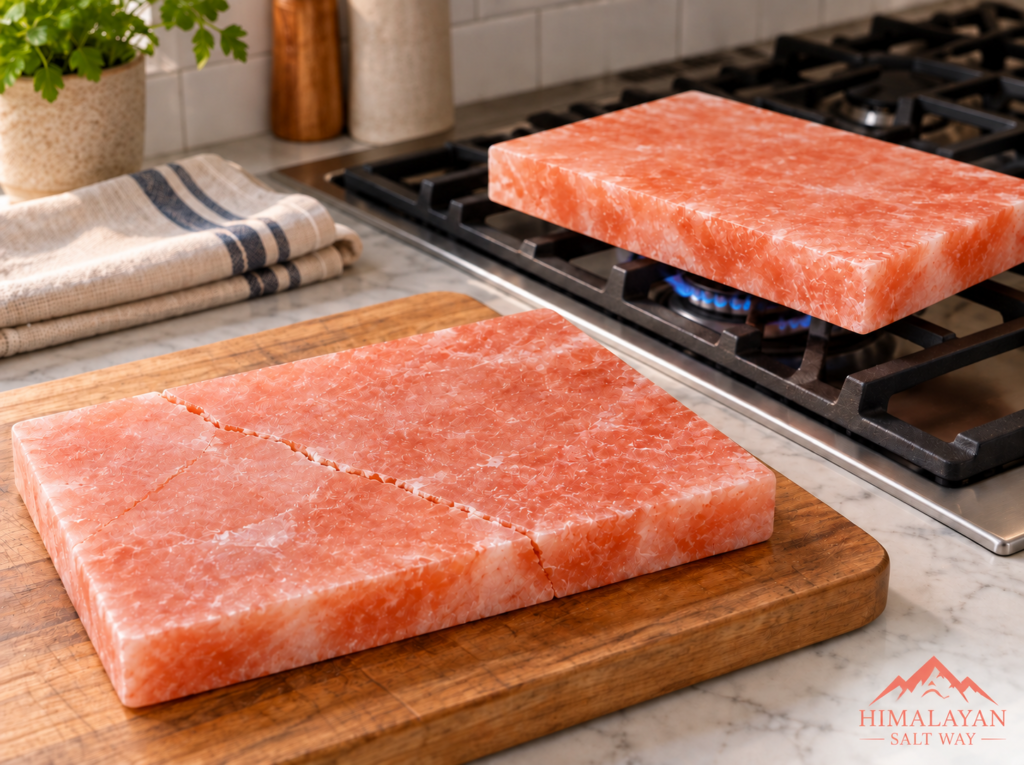
A natural salt block should never be rushed from one temperature extreme to another. Sudden heating or cooling can place stress on the block and may cause cracking.
Always check the instructions supplied with your particular cooking block. Confirm that it is food-grade and approved for the heat source you plan to use. Decorative salt tiles, salt-lamp pieces and livestock salt licks must not be used as cooking surfaces.
Place the block in its tray or recommended holder before heating. Begin with low heat and increase the temperature gradually. Many blocks require several stages of gentle heating before they are ready for cooking.
A few natural lines or small surface changes can develop with use. However, a deeply cracked or unstable block should not be heated.
For detailed preparation instructions, read our complete guide to cooking with a Himalayan salt block.
Ingredients That Work Best on a Salt Block
Quick-cooking ingredients are generally the easiest to control. Choose pieces that are relatively thin, evenly sized and not covered in watery marinades.
Before cooking:
- Pat meat, fish and vegetables dry.
- Lightly coat ingredients with a suitable cooking oil.
- Avoid adding extra salt before tasting the finished food.
- Use herbs, pepper, garlic, citrus zest and salt-free spices for additional flavor.
- Keep raw and cooked foods on separate plates.
- Use clean tongs when removing cooked food.
The block will already transfer some salt to moist food. Cooking time, temperature and moisture determine how salty the final result becomes.
1. Himalayan Salt Block Recipes: Garlic-Lemon Shrimp
Shrimp is one of the easiest foods to prepare because it cooks quickly and develops good surface color.
Ingredients
- 1 pound peeled and deveined shrimp
- 1 tablespoon olive oil
- 1 small garlic clove, finely grated
- ½ teaspoon black pepper
- 1 teaspoon lemon zest
- Lemon wedges for serving
- Chopped parsley
Method
Pat the shrimp completely dry. Toss them with olive oil, garlic, pepper and lemon zest. Do not add salt.
Arrange the shrimp on the properly heated block without overcrowding them. Cook briefly on each side until the flesh is opaque and the center reaches a safe temperature. Remove the shrimp with clean tongs and finish with parsley and fresh lemon juice.
Lemon juice should be added after cooking rather than poured over the hot block. Too much liquid on the surface can dissolve the salt quickly.
2. Himalayan Salt Block Recipes: Rosemary Steak Bites
Small steak pieces allow beginners to work in batches and observe how quickly the block cooks.
Ingredients
- 1 pound sirloin steak
- 1 tablespoon high-heat cooking oil
- 1 teaspoon chopped rosemary
- ½ teaspoon black pepper
- ½ teaspoon garlic powder
- Unsalted butter, optional
Method
Cut the steak into evenly sized pieces and pat them dry. Toss with oil, rosemary, pepper and garlic powder.
Place several pieces on the hot block, leaving room between them. Turn once the first side has developed a browned surface. Cook the second side until the steak reaches your preferred doneness and a safe internal temperature.
According to the USDA safe minimum internal temperature chart, whole cuts of beef should reach at least 145°F and rest for three minutes.
Remove the steak before adding butter or sauce. Taste first, because the salt block may have provided enough seasoning.
3. Himalayan Salt Block Recipes: Lemon-Pepper Salmon
Salmon works best when cut into smaller portions of similar thickness.
Ingredients
- 2 skinless salmon portions
- 1 tablespoon olive oil
- ½ teaspoon black pepper
- 1 teaspoon lemon zest
- Fresh dill
- Lemon wedges
Method
Pat the salmon dry and brush it lightly with olive oil. Add black pepper and lemon zest, but no additional salt.
Place the salmon on the heated block and allow the first side to cook without constant movement. Turn carefully with a metal spatula, then continue cooking until the center reaches 145°F.
Transfer the salmon to a clean plate. Add dill and a squeeze of lemon after removing it from the block.
4. Himalayan Salt Block Recipes: Herb Chicken Strips
Chicken can be cooked on a salt block, but thin, evenly cut strips are easier for beginners than thick chicken breasts.
Ingredients
- 1 pound boneless chicken breast
- 1 tablespoon cooking oil
- ½ teaspoon smoked paprika
- ½ teaspoon garlic powder
- ½ teaspoon dried oregano
- Black pepper
Method
Slice the chicken into thin, even strips. Keep the raw chicken refrigerated until the block is ready.
Coat the pieces lightly with oil and the salt-free seasonings. Place them on the heated block without crowding. Turn each strip with clean tongs and cook until every piece reaches an internal temperature of 165°F.
Never judge chicken safety by its color alone. Use a food thermometer and place cooked chicken on a clean plate, not the plate that previously held the raw meat.
5. Himalayan Salt Block Recipes: Garlic-Pepper Asparagus
Asparagus cooks quickly and gains attractive grill marks without releasing too much liquid.
Ingredients
- 1 bunch asparagus
- 1 tablespoon olive oil
- ¼ teaspoon garlic powder
- Black pepper
- Lemon zest
Method
Trim the woody ends from the asparagus. Toss the spears with olive oil, garlic powder and black pepper.
Place them across the heated block and turn occasionally until they become bright green and lightly browned. Remove while they still have a little firmness.
Finish with lemon zest. Taste before adding any loose salt.
6. Himalayan Salt Block Recipes: Zucchini and Bell Peppers
This colorful recipe works as a side dish or filling for sandwiches and wraps.
Ingredients
- 1 medium zucchini
- 1 red bell pepper
- 1 yellow bell pepper
- 1 tablespoon olive oil
- Black pepper
- Dried Italian herbs
Method
Slice the zucchini lengthwise into medium-thin strips. Cut the peppers into wide pieces and pat everything dry.
Coat the vegetables lightly with oil, pepper and herbs. Cook them in a single layer on the salt block, turning when the first side has browned.
Do not leave thin zucchini pieces on the block longer than necessary. Their moisture allows them to absorb salt more quickly than drier ingredients.
7. Himalayan Salt Block Recipes: Thyme-Garlic Mushrooms
Mushrooms absorb flavor well, which means they should be cooked in small batches and tasted before adding more seasoning.
Ingredients
- 8 ounces firm mushrooms
- 1 tablespoon olive oil
- ½ teaspoon dried thyme
- ¼ teaspoon garlic powder
- Black pepper
Method
Clean the mushrooms with a soft brush or lightly damp cloth. Avoid soaking them in water. Cut large mushrooms in half and leave small ones whole.
Toss with oil, thyme, garlic powder and pepper. Cook on the heated block until browned and tender. Turn them occasionally to cook the surfaces evenly.
Remove the mushrooms as soon as they are ready because leaving them on the block will continue increasing their saltiness.
8. Himalayan Salt Block Recipes: Grilled Pineapple
Fruit may sound unusual on a salt block, but the contrast between sweetness and mild saltiness works particularly well with pineapple.
Ingredients
- Fresh pineapple rings or thick spears
- A small amount of neutral cooking oil
- Ground cinnamon
- Honey, optional
Method
Pat the pineapple dry and brush it very lightly with oil. Place it on the heated block and cook until the surface develops golden marks.
Turn once and cook the other side briefly. Transfer to a serving plate, dust with cinnamon and add a small drizzle of honey if desired.
Do not pour honey directly onto the salt block. Sugary liquids can burn and make cleaning more difficult.
9. Himalayan Salt Block Recipes: Seared Peaches with Yogurt
This simple dessert works best with ripe but firm peaches.
Ingredients
- 2 firm peaches
- A small amount of cooking oil
- Plain Greek yogurt
- Honey
- Chopped unsalted nuts
Method
Cut the peaches in half and remove the stones. Lightly brush the cut surfaces with oil.
Place the peaches cut-side down on the heated block. Cook until the surfaces soften slightly and develop color. Remove them before they become overly soft.
Serve with yogurt, honey and unsalted nuts. The light seasoning picked up from the block creates enough contrast with the fruit and honey.
10. Himalayan Salt Block Recipes: Chilled Watermelon and Mint
A salt block does not always need to be heated. A thoroughly chilled block can also become an attractive serving surface.
Ingredients
- Seedless watermelon cubes
- Fresh mint leaves
- Lime zest
- Optional crumbled unsalted or lightly salted cheese
Method
Chill the clean, dry salt block according to its product instructions. Do not move it directly from a freezer to high heat afterward.
Pat the watermelon cubes dry and arrange them on the cold surface shortly before serving. Add mint and a small amount of lime zest.
Do not leave the watermelon on the block for an extended period. Its high moisture content means it will gradually become saltier.
How to Prevent Food from Becoming Too Salty
One concern with Himalayan salt block recipes is controlling the amount of seasoning transferred to the food. Fortunately, a few simple choices make a noticeable difference.
- Do not pre-salt the ingredients.
- Pat wet foods dry before cooking.
- Use oil lightly rather than applying a watery marinade.
- Choose quick-cooking ingredients.
- Remove food promptly when it is ready.
- Cook a small test piece before preparing the full batch.
- Avoid allowing cooked food to sit on a hot salt block.
Every natural block behaves a little differently. An older block may also season food differently from a new one, so tasting and adjusting remain important.
Can the Same Block Be Used for Meat and Vegetables?
A reusable cooking block can be used for different foods when it is handled and cleaned properly. However, avoid moving raw meat juices onto ready-to-eat foods.
Cook ready-to-eat vegetables or fruit before placing raw meat on the block, or clean and fully dry the block between separate uses. Use different utensils and serving plates for raw and cooked ingredients.
A salt surface does not eliminate the need for normal kitchen hygiene.
How to Clean a Himalayan Salt Block
Allow the block to cool completely before cleaning it. Never pour cold water onto a hot block.
Scrape away remaining food with a suitable scraper or firm brush. Then wipe the surface with a lightly damp sponge or cloth. Use as little water as possible because salt dissolves in moisture.
Do not:
- Place the block in a dishwasher.
- Soak it in a sink.
- Hold it under running water for an extended period.
- Store it while damp.
- Use cleaning chemicals unless the manufacturer specifically approves them.
After wiping, allow the block to dry completely. Store it in a dry area, preferably wrapped in a clean cloth or paper to protect it from humidity.
Choosing a Cooking Block
Use a food-grade block designed for cooking rather than an ordinary decorative tile. A supporting tray can make the block easier to move and may provide additional stability during heating and serving.
You can explore Himalayan Salt Way’s collection of Himalayan salt cooking tiles and blocks.
For home grilling and serving, the 12 × 8 × 1.5-inch Himalayan salt cooking block with a steel tray provides a convenient supported option. A cooking block without a tray is also available for users who already have an appropriate holder or cooking setup.
Frequently Asked Questions About Himalayan Salt Block Recipes
What is the easiest food to cook on a Himalayan salt block?
Shrimp, asparagus, zucchini and thin steak pieces are suitable beginner options because they cook quickly and are easy to turn.
Should I add salt before cooking on the block?
Usually, no. Start without additional salt because moisture from the food will pick up seasoning from the block. Taste the cooked food before adding anything more.
Can a salt block be used in the oven?
Only use the block in an oven if its product instructions approve that method. It must be heated gradually, supported correctly and protected from sudden temperature changes.
Can I cook frozen food on a hot salt block?
Frozen food should not be placed directly on a heated block. The extreme temperature difference may damage the block and can also produce uneven cooking. Defrost food safely before cooking.
How long will a Himalayan salt block last?
Its usable life depends on thickness, natural structure, heating habits, cleaning and storage. The block becomes thinner over time because small amounts of salt dissolve during use.
Are Himalayan salt block recipes high in sodium?
The amount of sodium transferred depends on the food’s moisture, cooking time and contact with the block. Avoid adding extra salt automatically. The FDA recommends using Nutrition Facts labels and keeping total daily sodium intake below 2,300 milligrams, although individual medical advice may differ.
Final Thoughts
These Himalayan salt block recipes offer a practical starting point for anyone using a cooking block for the first time. Begin with dry, quick-cooking ingredients and prepare a small test portion before cooking a complete meal.
Heat the block gradually, avoid sudden temperature changes and follow standard food-safety practices. Most importantly, allow the block to provide the seasoning. Herbs, citrus zest, garlic and pepper can build flavor without making the finished food excessively salty.
Once you become comfortable with the block, the same basic methods can be adapted for different meats, seafood, vegetables and seasonal fruit. The result is not only an unusual presentation but also a hands-on cooking experience that feels genuinely different from using an ordinary pan.