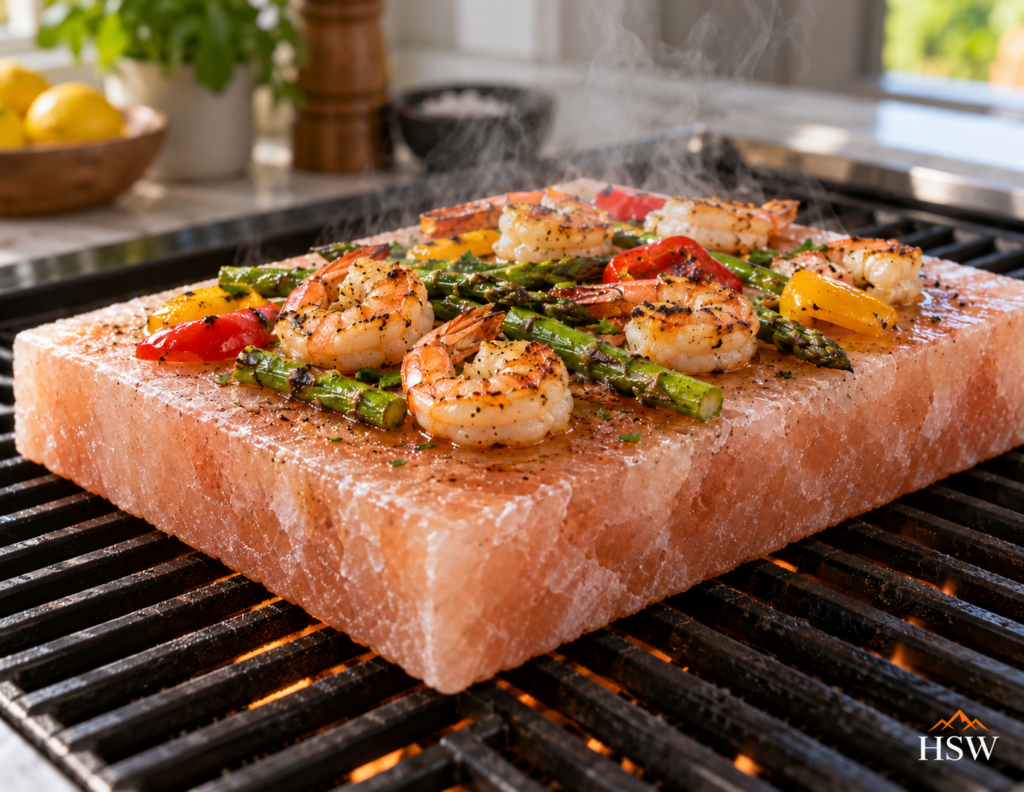
Why Do Himalayan Salt Blocks Crack? Causes and Prevention Tips

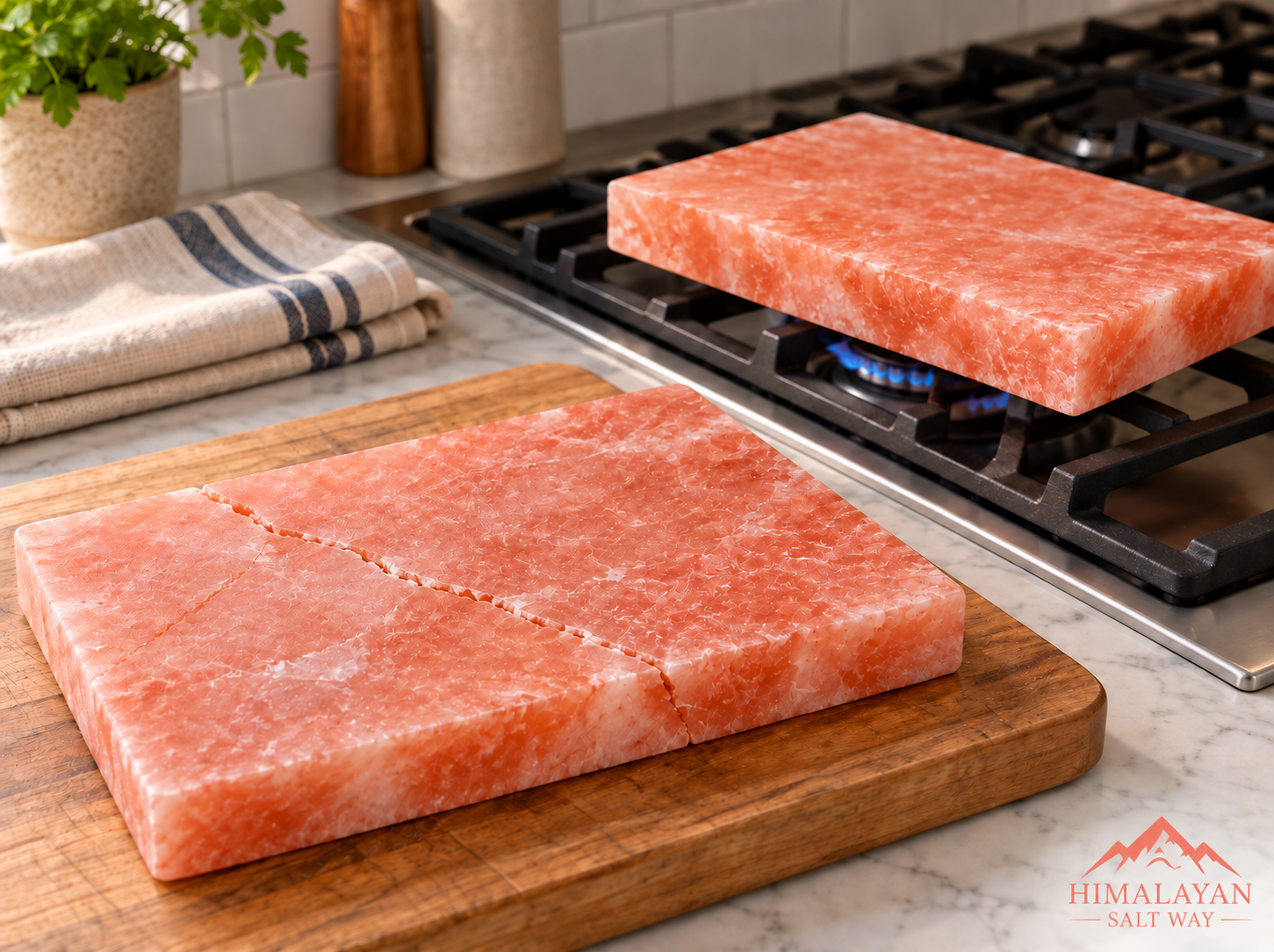
Why do Himalayan salt blocks crack, even when they have only been used a few times? Rapid heating, trapped moisture, sudden cooling, and physical damage can all play a part. Natural variations in the salt also mean that two blocks may respond differently to the same cooking routine.
A new line across your cooking plate can be worrying. However, a fine surface fissure is different from a deep split that leaves the block unstable. Knowing what to look for helps you decide whether to contact the supplier, change your care routine, or replace the plate.
This Himalayan Salt Way guide explains the causes of cracking and the habits that can reduce preventable damage.
Why Himalayan Salt Blocks Crack During Heating
A salt block needs time to warm through. Starting with intense heat can put stress on the slab before its temperature has risen gradually.
Moisture adds another concern. Water remaining inside a block can expand during heating and contribute to damage. That is why a plate that looks dry immediately after cleaning may still need more drying time.
SaltWorks explains these concerns in its Himalayan salt block usage guide, which recommends starting with a completely dry slab and avoiding rapid temperature changes.
Before your next cooking session, check both the condition of the block and the instructions supplied with it.
Common Mistakes That Make Himalayan Salt Blocks Crack
Why Himalayan Salt Blocks Crack on High Heat
Turning the burner up straight away may seem convenient when dinner is running late. However, salt cookware needs a slower start.
Use the gradual heating method recommended for your particular plate. Do not treat it like a metal frying pan.
Why Damp Himalayan Salt Blocks Crack
Cleaning a plate and putting it straight back on the grill is a mistake. Give it enough time to dry fully before reheating.
SaltWorks recommends at least 24 hours after moisture exposure. Longer may be necessary if the block remains damp or your kitchen is humid.
Using an Unsuitable Heat Source
Not every salt plate has the same heating instructions. For example, Caravel Gourmet advises against oven heating for its blocks, while other manufacturers provide oven-specific directions.
Therefore, follow your own product’s guidance rather than copying a temperature schedule from another brand.
Dropping or Knocking the Plate
Damage does not always begin on the stove. A hard knock against a sink or countertop can leave a weak area.
Inspect the edges and underside before cooking, especially if the block has been dropped. A support tray does not make a damaged plate safe to heat.
How to Prevent Himalayan Salt Blocks from Cracking
Build a little preparation time into your cooking routine:
- Inspect the cool block. Look for deep splits, loose pieces, or areas that appear unstable.
- Confirm that it is dry. Do not heat it immediately after washing.
- Check compatibility. Use only the heat sources approved for that product.
- Start gently. Increase heat according to the supplier’s instructions.
- Allow natural cooling. Leave the block in a safe place until it reaches room temperature.
Some products also require an initial tempering process. This means following a controlled heating and cooling routine before cooking. Check whether your plate requires it instead of assuming that every salt block uses the same method.
For a broader introduction, read our guide to cooking with Himalayan salt blocks.
Cleaning and Storage Tips to Prevent Salt Block Cracks
Wait until the plate is completely cool before removing food residue. Then clean it according to the product instructions, using minimal water.
Do not soak the block or put it in a dishwasher. Salt dissolves in water, so prolonged washing gradually wears away the cooking surface.
After cleaning, allow the plate to air-dry thoroughly. Store it in a dry location away from splashes and humidity. Avoid sealing a damp block inside a container.
These steps will not make salt cookware last forever. However, they help prevent unnecessary wear between meals.
Can You Still Use a Cracked Salt Block?
Small fissures can develop during normal use, but appearance alone cannot confirm whether a block is safe.
Stop using a plate that has a deep split, loose sections, or an unstable cooking surface. If you cannot judge the damage, send clear photographs to the supplier before heating it again.
Do not glue broken pieces together for cooking. Replace a severely damaged plate rather than trying to restore its strength.
When choosing a replacement, look for cookware intended for food preparation. You can view the dimensions and tray details of the Himalayan Salt Way cooking plate and confirm its heating instructions before use.
Frequently Asked Questions
Do all Himalayan salt blocks crack eventually?
Not every block develops the same cracks. Natural structure, handling, and repeated use affect its condition. No care routine can guarantee a crack-free lifespan.
Does cracking mean the salt block is fake?
No. Genuine salt blocks can develop cracks. A crack alone does not establish whether a product is authentic.
Can I cool a hot salt block with water?
No. Let it cool naturally before cleaning. Adding water to a hot plate creates a sudden temperature change and can cause damage.
How long should a cooking block last?
There is no reliable lifespan that applies to every block. Check its condition before each use rather than relying on a promised number of cooking sessions.
Understanding why Himalayan salt blocks crack makes the next steps straightforward: inspect the plate, follow its instructions, and leave enough time for heating, cooling, and drying.