
Cattle Salt Lick: 7 Mistakes to Avoid on Your Farm

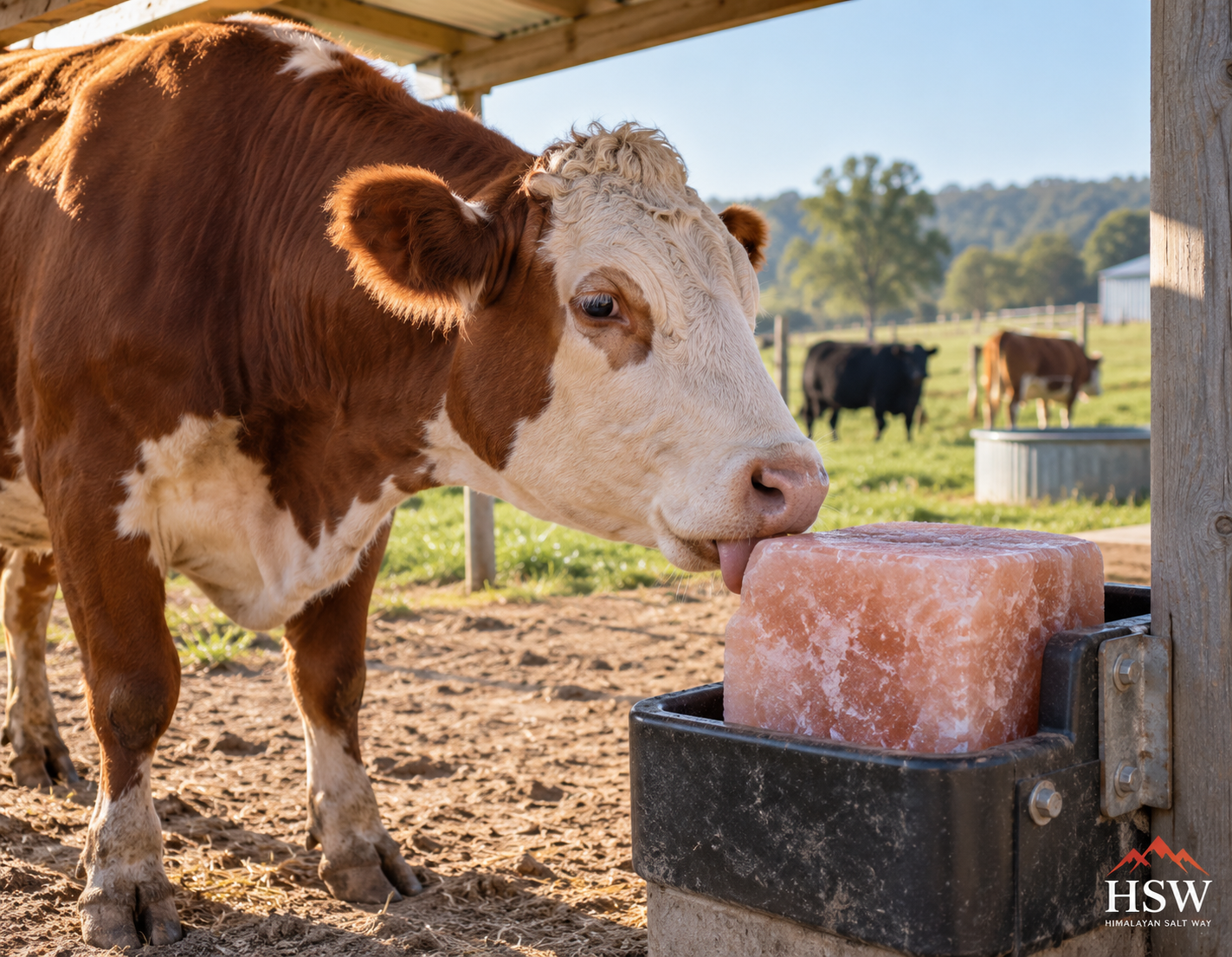
A cattle salt lick can look like the simplest item on a farm shopping list. Choose a block, put it in the pasture, and replace it when it disappears. However, good salt management involves more than keeping a block available.
The important questions are practical. Does your herd need a separate salt source? Can every animal reach it? Is the block being consumed, or is rain washing it away?
Understanding these details helps you choose a suitable product and avoid mistakes that can weaken an otherwise thoughtful feeding program.
Why Do Cattle Need Salt?
Salt supplies sodium and chloride. These nutrients help cattle maintain fluid balance and support normal nerve and muscle function. Chloride also contributes to digestive processes.
However, salt is only one part of cattle nutrition. A useful feeding plan considers pasture, hay, purchased feed, drinking water, and supplements together. The Mississippi State University guide to mineral and vitamin nutrition explains how mineral requirements change with an animal’s age and stage of production.
With that foundation in mind, here are seven mistakes worth avoiding.
1. Treating a Cattle Salt Lick as a Complete Mineral Supplement
A salt block and a complete mineral supplement serve different purposes.
A plain salt block primarily supplies sodium chloride. A formulated mineral supplement provides specified nutrients at a recommended intake. Even a product described as a “trace mineral salt block” may not meet every mineral requirement of your herd.
Natural Himalayan salt can contain other minerals, but their presence does not establish that cattle will receive enough of them.
Before buying, check:
- Whether the product is intended for livestock feeding.
- Its guaranteed analysis, where available.
- The feeding directions and intended animal species.
- How it fits with the supplements already in use.
The University of Georgia guide to mineral supplements for beef cattle explains why product composition and actual consumption both matter.
2. Adding Separate Salt Without Checking the Existing Program
It may seem sensible to offer a salt block alongside every mineral feeder. However, that arrangement can interfere with some feeding programs.
Cattle may satisfy their salt appetite from the separate block and consume less of a salt-containing mineral mix. Consequently, they may receive less of the nutrients that mix was designed to supply.
Mississippi State University specifically cautions against providing separate salt alongside a free-choice mineral supplement when this could reduce mineral intake.
Read the supplement label before adding another salt source. If the directions are unclear, ask your cattle nutritionist or local Extension specialist to review the combination.
3. Choosing by Color Instead of Product Information
Pink, white, or darker blocks can look very different on the shelf. Yet appearance alone tells you little about whether a product suits your herd.
A pink block should not automatically be treated as a complete mineral source. Likewise, a darker block should not be assumed to contain the right amounts of copper, selenium, or other nutrients.
Choose a cattle salt lick by its intended use, documented composition, and feeding directions.
When comparing Himalayan Salt Way’s cattle salt lick options, review the individual listing and request any additional product information you need. Natural and compressed formats should be assessed on their specifications rather than appearance alone.
4. Overlooking Drinking Water
A salt program depends on reliable access to suitable drinking water.
Water needs vary with temperature, diet, and production stage. A trough that works well during mild weather may become inadequate when conditions change.
The University of Maryland’s cattle water guide explains that both water quantity and quality affect cattle performance. Dissolved salts and other compounds in water also deserve attention.
Include water checks in your feeding routine:
- Confirm that troughs refill properly.
- Remove buildup and keep access clear.
- Check that all groups can reach water.
- Test water when quality is uncertain.
If cattle have lost access to water, address that problem promptly and seek veterinary guidance rather than continuing the feeding routine unchanged.
5. Putting the Block Where Some Cattle Cannot Reach It
A block can remain available while still being difficult for part of the herd to use.
For example, a crowded station may allow dominant animals easy access while others wait or avoid the area. A holder positioned for mature cows may also be inconvenient for smaller animals.
Observe the cattle using the station. Check its height, stability, and surrounding footing. Where access is limited, consider additional stations and review their placement.
Keep blocks away from manure accumulation and muddy areas. If using a hanging product, follow its installation instructions and inspect the mounting regularly.
The useful question is simple: can the animals that need the product actually use it?
6. Assuming a Shrinking Block Proves Adequate Intake
A smaller block does not tell the whole story.
Rain, runoff, breakage, and handling losses can reduce its weight. Even when cattle are consuming it, total disappearance does not show that every animal receives an appropriate amount.
Keep a basic record of:
- The date and weight when the block is supplied.
- The number of cattle with access.
- Its remaining weight or replacement date.
- Weather exposure and visible losses.
- Changes to pasture, feed, or supplements.
These records help identify patterns. For instance, a block that wears down quickly after heavy rain may need better protection. A block that barely changes may justify checking access and the rest of the feeding program.
Treat disappearance as a management clue rather than proof of adequate nutrition.
7. Using the Same Approach Throughout the Year
A herd’s feeding conditions change. New pasture growth, stored forage, calving, and changes in purchased feed can all require a review of mineral provision.
One important example is grass tetany risk. University of Georgia Extension advises against relying on hard blocks for salt supplementation when cattle are at risk and discusses the importance of an appropriate mineral program.
A natural salt lick should never be presented as a treatment or preventive solution for a mineral disorder.
Review the feeding plan before major seasonal changes. This is especially useful when moving cattle to different pasture or introducing a new supplement.
How to Choose a Cattle Salt Lick for Your Farm
Start with the current feeding program, then choose the product.
Confirm whether separate salt is needed. Next, compare the product’s intended use, composition, size, and feeding directions. Consider how you will keep it accessible and inspect it during normal farm rounds.
Avoid choosing solely by the lowest price per block. A practical purchase also depends on usable weight, weather losses, replacement frequency, and suitability for your setup.
For product details or larger orders, contact Himalayan Salt Way with your preferred format, quantity, and delivery location. Use those details alongside advice from your livestock nutrition professional.
Frequently Asked Questions
Is Himalayan salt better than white salt for cattle?
Color and origin alone do not establish nutritional superiority. Compare documented composition, feeding suitability, and the needs of your existing program.
Can a cattle salt lick replace a mineral mix?
Do not assume that it can. A salt lick does not automatically supply the nutrients provided by a formulated mineral mix.
How much salt does each cow need?
There is no single block-feeding amount suitable for every herd. Total salt provision depends on feed, supplements, water, and animal needs. Follow product directions and obtain a recommendation for your feeding system.
How long should a salt block last?
Its lifespan depends on block size, herd access, consumption, and weather exposure. Track replacement dates and visible losses to understand what happens on your farm.
Should salt blocks stay outside?
Follow the manufacturer’s directions. If outdoor use is permitted, choose a stable location and suitable protection from rain and contamination.
A well-managed cattle salt lick begins with a clear purpose. Once you know how it fits into the feeding plan, regular checks of water, access, and consumption make it easier to manage with confidence.