Why Do Himalayan Salt Products Have Different Shades?

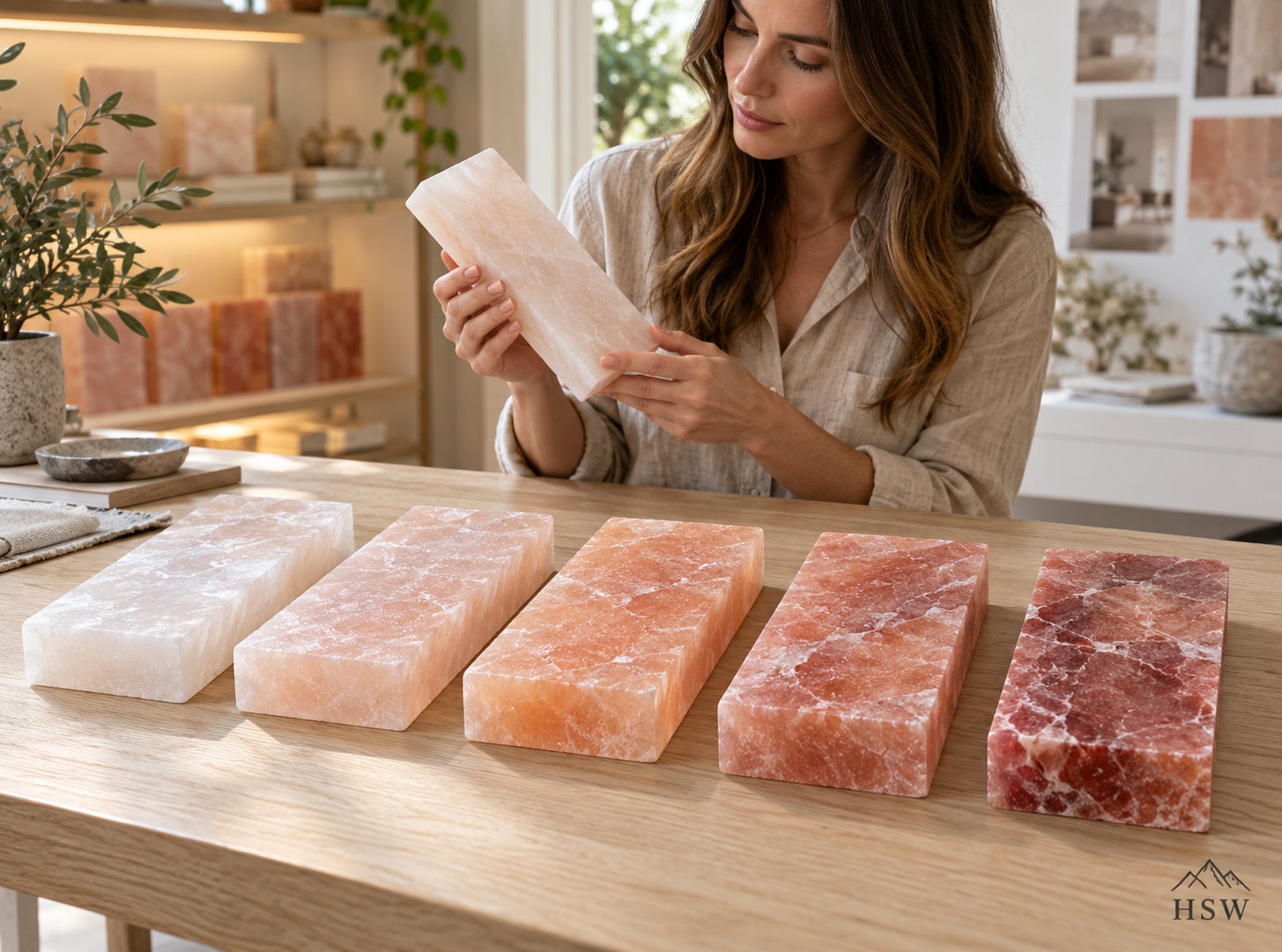
Himalayan salt shades range from soft white and pale blush to peach, orange, and deeper pink. These differences mainly come from naturally occurring mineral inclusions within the salt. Crystal structure, product thickness, surface finish, and lighting also influence what you see.
You might notice this when unpacking salt tiles or placing two salt lamps beside each other. One piece looks almost creamy, while another has bold pink bands. That difference does not automatically mean something is wrong. Natural rock salt has variations, much like the grain in wood or the veining in stone.
Understanding those differences makes it easier to choose products, plan a wall, and set realistic expectations before ordering.
What Causes Different Himalayan Salt Shades?
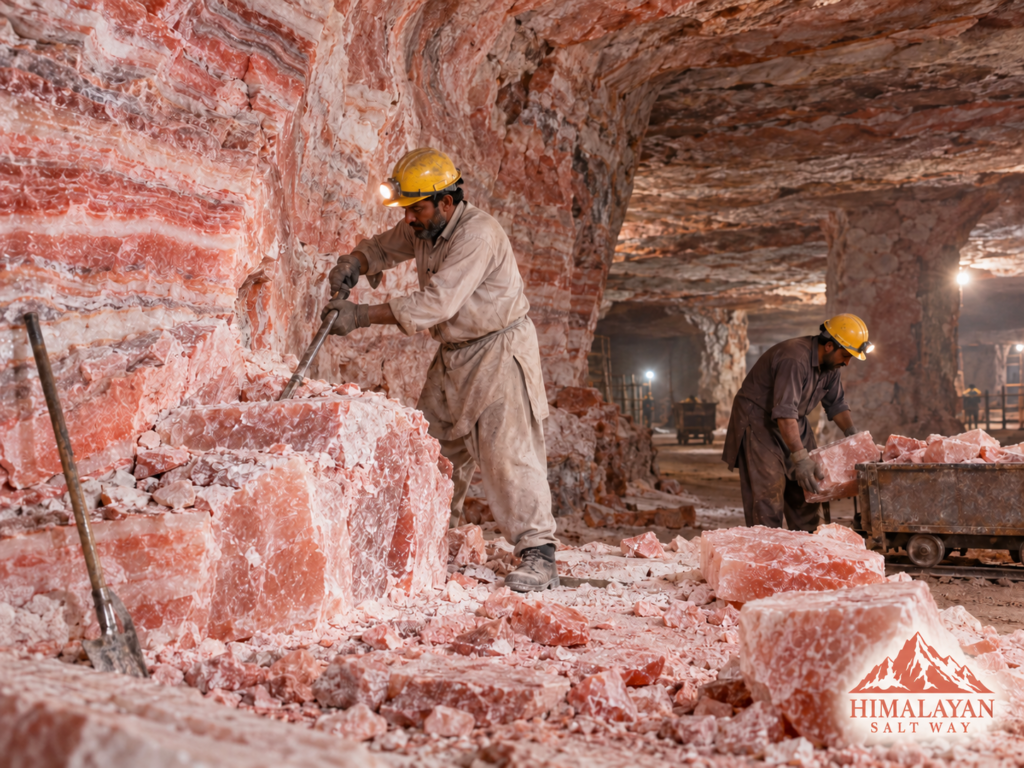
Himalayan rock salt consists mainly of sodium chloride, the mineral known as halite. Pure halite is normally colorless or white. Small amounts of other materials within the crystal can change its appearance.
The University of Minnesota’s guide to halite explains that small amounts of impurities can give the mineral red or orange hues. Here, “impurities” is a geological term for material other than the main mineral; it does not, by itself, determine whether a finished product is suitable for its intended use.
Iron-bearing inclusions, particularly iron oxides, can contribute to the familiar pink and reddish tones. However, color is more complicated than a simple rule that darker salt always contains more iron.
Different parts of a natural deposit can have different mineral distributions. As a result, pieces cut from separate sections may have noticeably different colors—even when they belong to the same product range.
Why Are Some Himalayan Salt Shades White?
White or nearly clear pieces generally have fewer visible color-producing inclusions. They may look translucent, cloudy, or milky depending on their crystal structure and how light passes through them.
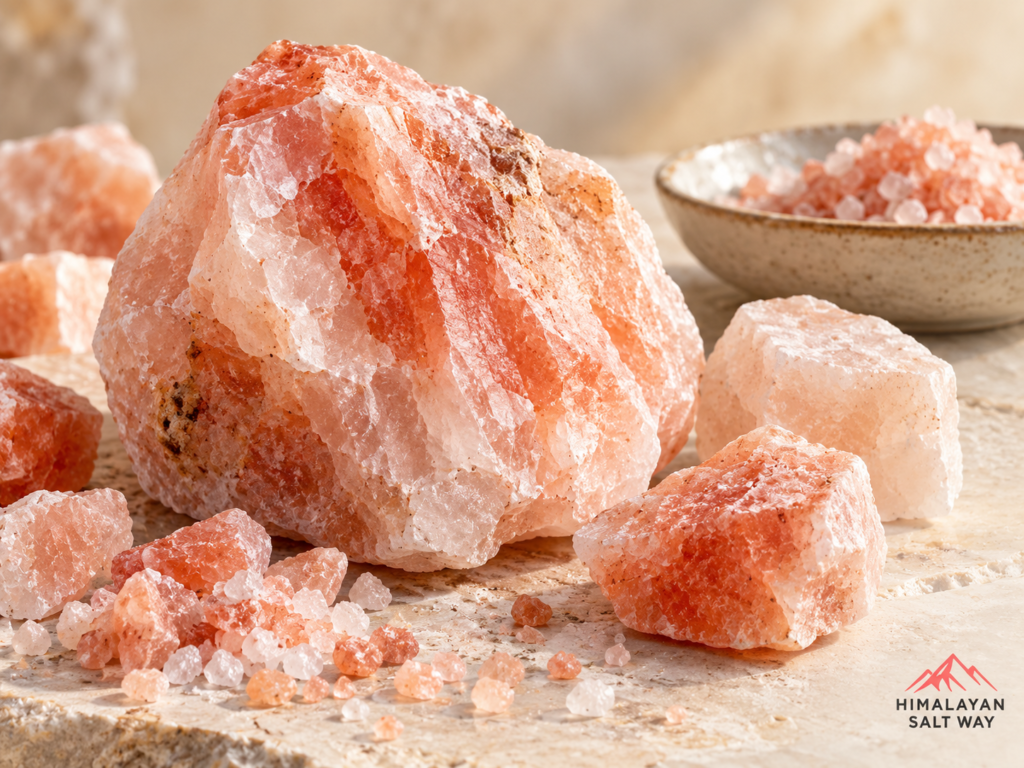
A white section can also appear beside a pink section within the same piece. This creates the streaks and patches often visible in natural tiles, lamps, and cooking blocks.
White salt is therefore not automatically bleached or artificial. Equally, a white appearance alone cannot prove that a product is authentic or establish its purity. Those questions require information about the material and its sourcing.
For decorating, the main difference is visual: white pieces offer a lighter palette, while pink pieces introduce warmer color and stronger contrast.
Pink, Peach, and Orange Himalayan Salt Shades
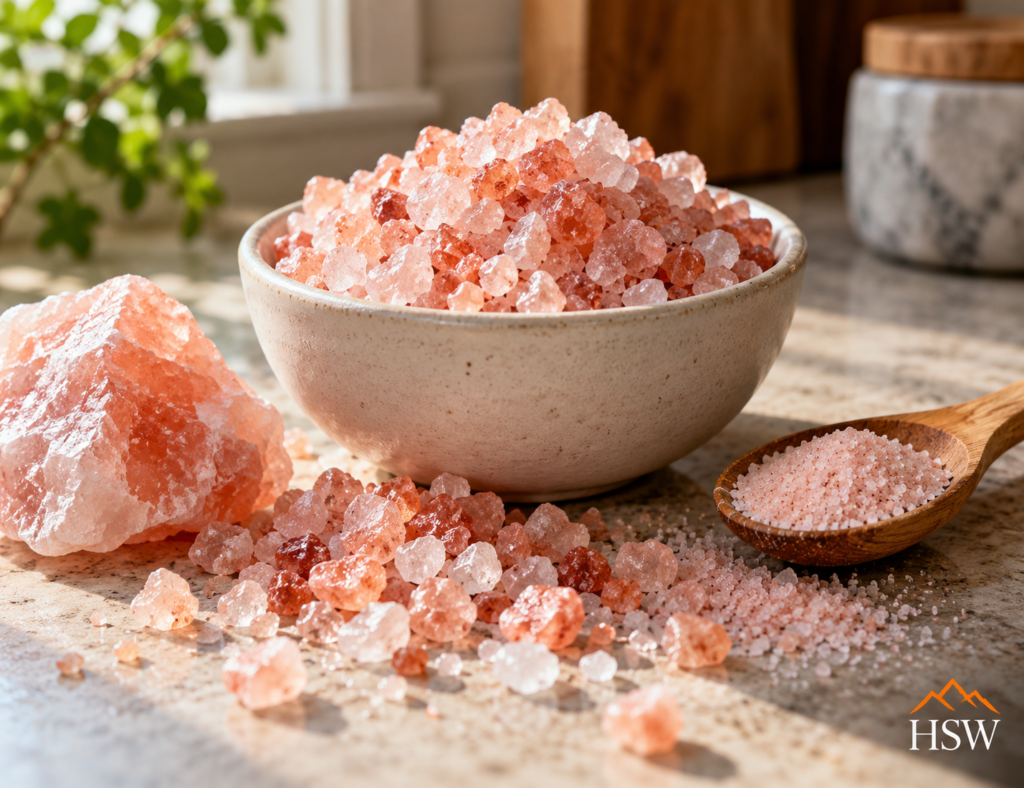
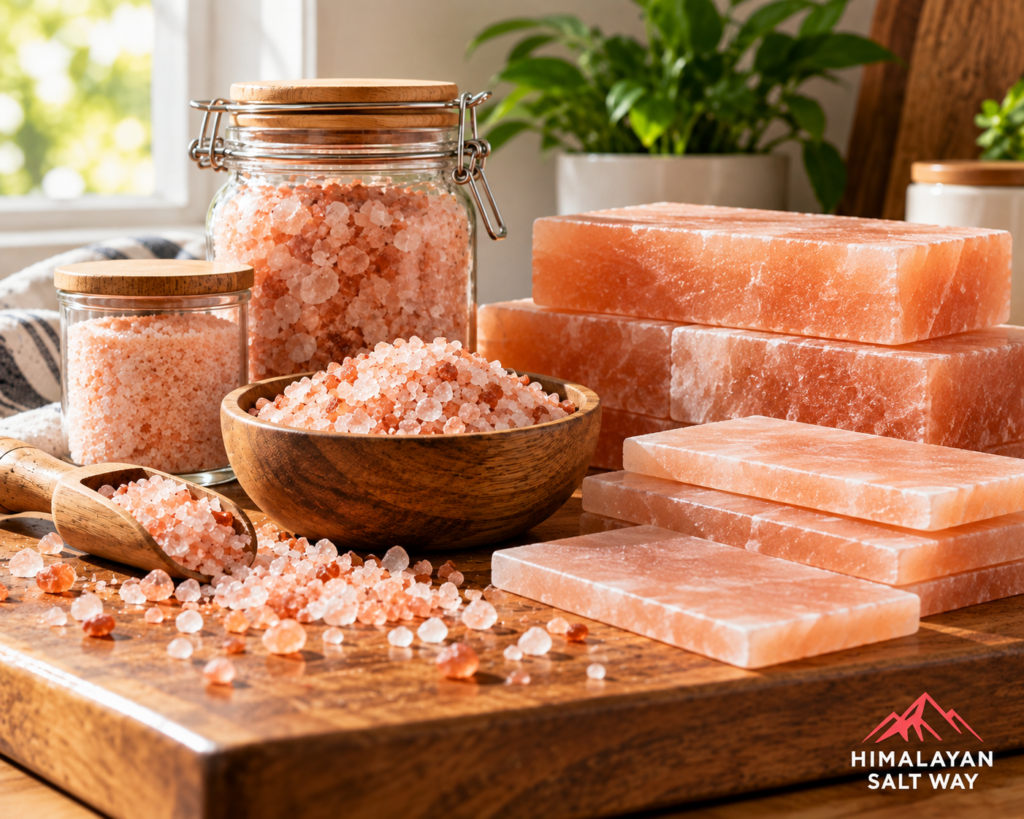
People often use “pink salt” as a broad description. In practice, the material can include pale rose, salmon, peach, coral, and orange tones.
Several features influence the finished appearance:
- Mineral distribution: Colored inclusions may occur in bands, patches, or scattered areas.
- Crystal structure: Clear and cloudy sections transmit and scatter light differently.
- Thickness: A thicker section can look denser or transmit less light than a thinner one.
- Surface finish: A smooth face may reveal patterns differently from a rough surface.
- Lighting: Daylight, warm bulbs, and cool LEDs can make the same piece look different.
These factors work together. Two pieces with similar overall color can still have very different patterns once you look closely.
How Lighting Changes Himalayan Salt Shades
If you have ever switched on a salt lamp and watched its pale surface turn amber, you have already seen the effect of lighting.
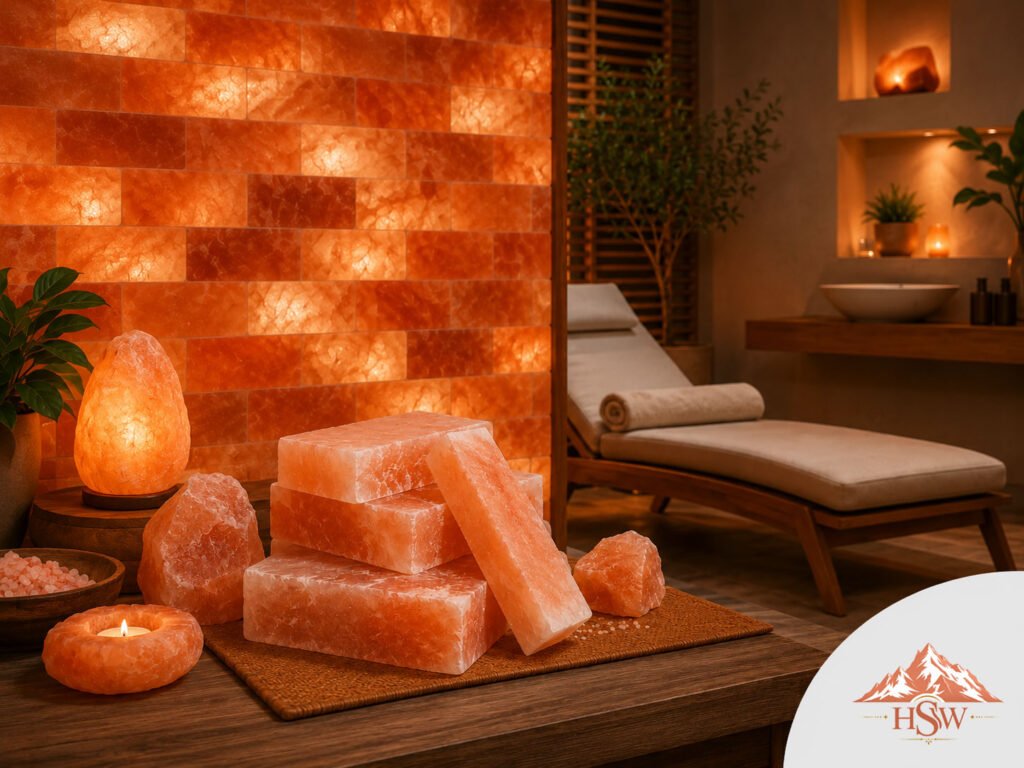
A warm light source can emphasize peach and orange tones. A cooler light source may make the same material appear less golden. Brightness, light placement, and shadows also affect the result.
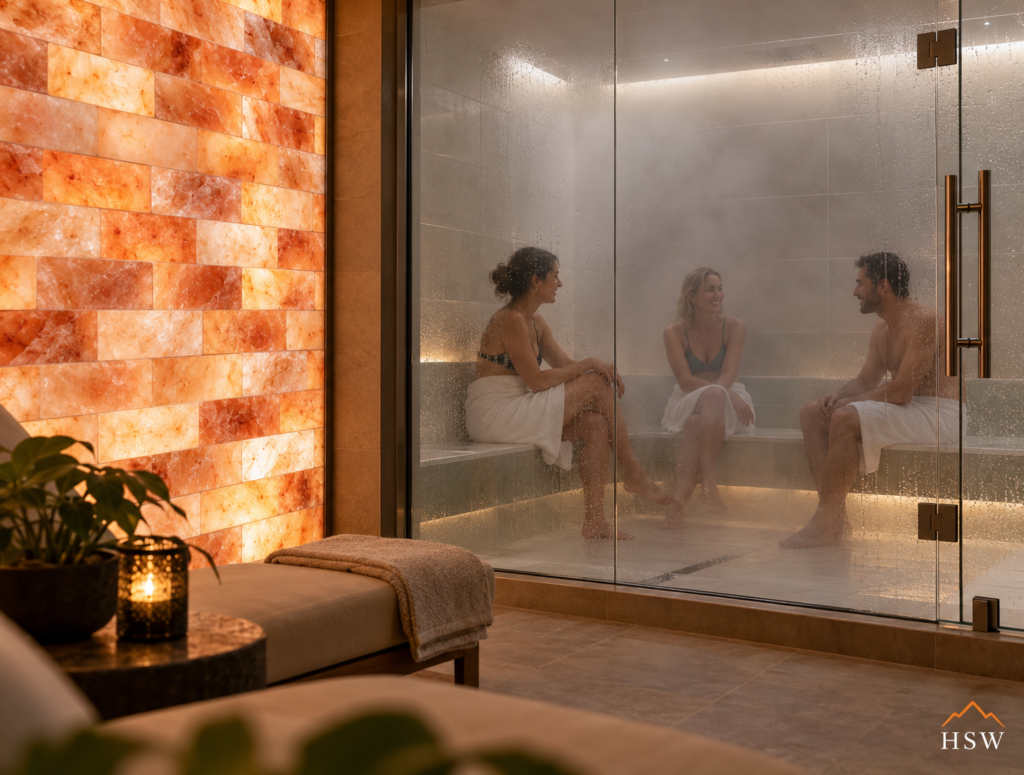
Backlit salt walls add another layer of variation. Light may pass readily through one tile but less evenly through a neighboring tile with denser or cloudier sections.
Before choosing lighting for a large installation, view a sample with the type of light you plan to use. Check it both illuminated and unlit. A sample viewed only in daylight cannot show the full effect of a backlit wall.
Do Darker Himalayan Salt Shades Mean Better Quality?
Darker Himalayan salt shades do not automatically indicate better quality. A strong pink color may suit your design, but it does not establish durability, authenticity, food suitability, or health benefits.
A published study of commercial pink salts found variation in mineral composition between samples. It also found no difference in iron content according to color intensity within the samples tested. This is a useful reminder that appearance cannot replace laboratory analysis. pmc.ncbi.nlm.nih.gov
When evaluating a finished product, consider its intended purpose:
| Product | What to check beyond color |
|---|---|
| Salt wall tiles | Dimensions, thickness, condition, and installation requirements |
| Salt bricks | Size consistency, condition, and suitability for the planned design |
| Salt lamps | Stable base, sound electrical components, and manufacturer instructions |
| Cooking blocks | Explicit suitability for cooking and clear heating and care instructions |
| Foot warmers | Product condition, electrical specifications, and usage instructions |
Choose color for the appearance you prefer. Assess quality through the features that matter for the product’s actual use.
Why Can Products Look Different From Website Photos?
A product photograph shows a particular piece or selection under particular lighting. Your order may contain different natural patterns within the advertised color range.
Screen settings can create further differences. A phone with a warm display setting may show stronger orange tones than a laptop displaying the same photograph.
This is especially noticeable with translucent products. A backlit photograph may look much warmer than the product does when it arrives unlit.
When reviewing Himalayan pink salt wall tiles, look at several photographs rather than relying on a single close-up. For a larger project, ask about the expected color range and whether current-batch photographs or samples are available.
A sample helps you understand the material, although one small piece cannot represent every tile in a bulk order.
How to Plan a Salt Wall With Natural Color Variation
A little preparation helps turn mixed shades into a balanced design.
Decide on the overall look
Choose whether you want a pale wall, a warm mixed palette, or stronger contrast. Describing the overall effect is more useful than expecting every natural tile to match exactly.
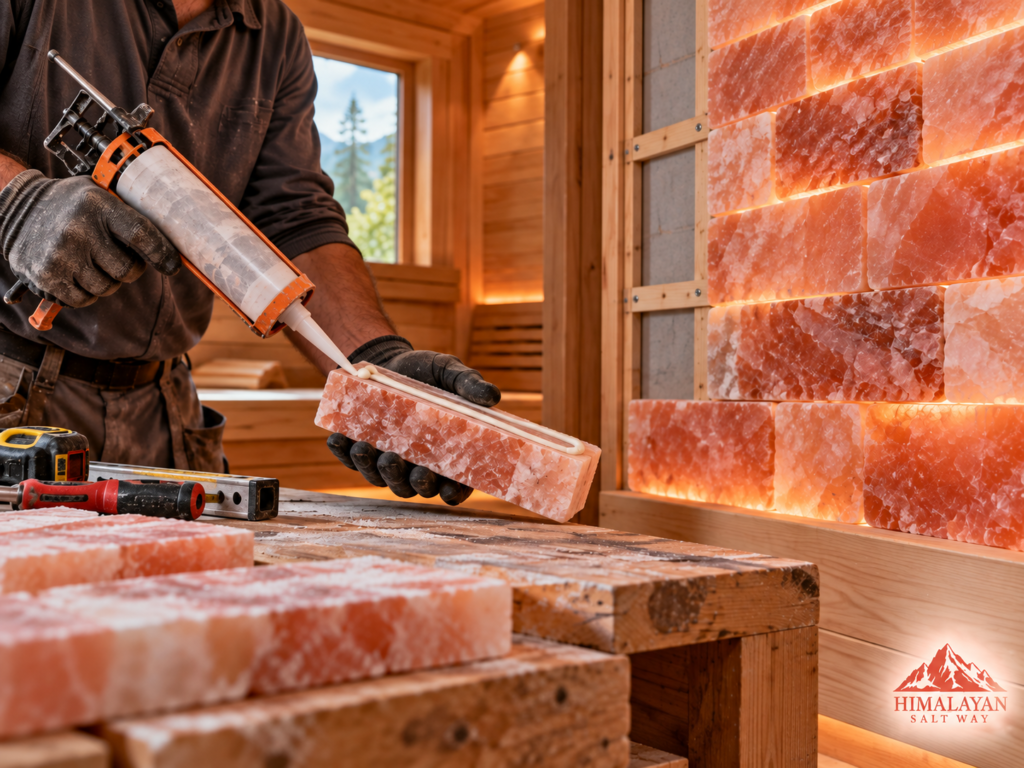
Lay out the tiles before installation
Arrange the pieces on a clean, dry surface before fixing them in place. This lets you see how pale, medium, and darker pieces work together.
Spread stronger colors across the wall
Unless you want a deliberate feature area, avoid placing all the darkest tiles in one corner. Distributing them can create a more balanced appearance.
Test the planned backlighting
View a small selection under the proposed light source. Check whether the brightness and color suit the room before completing the installation.
Plan for future replacements
Ask about obtaining spare pieces from the same order. Future batches may have a different overall appearance, so keeping suitable extras can make later repairs easier.
You can explore the range at Himalayan Salt Way while planning the palette that suits your space.
Natural Variation or a Change That Needs Attention?
There is a difference between a piece that arrives with natural color bands and one that develops a new surface change during use.
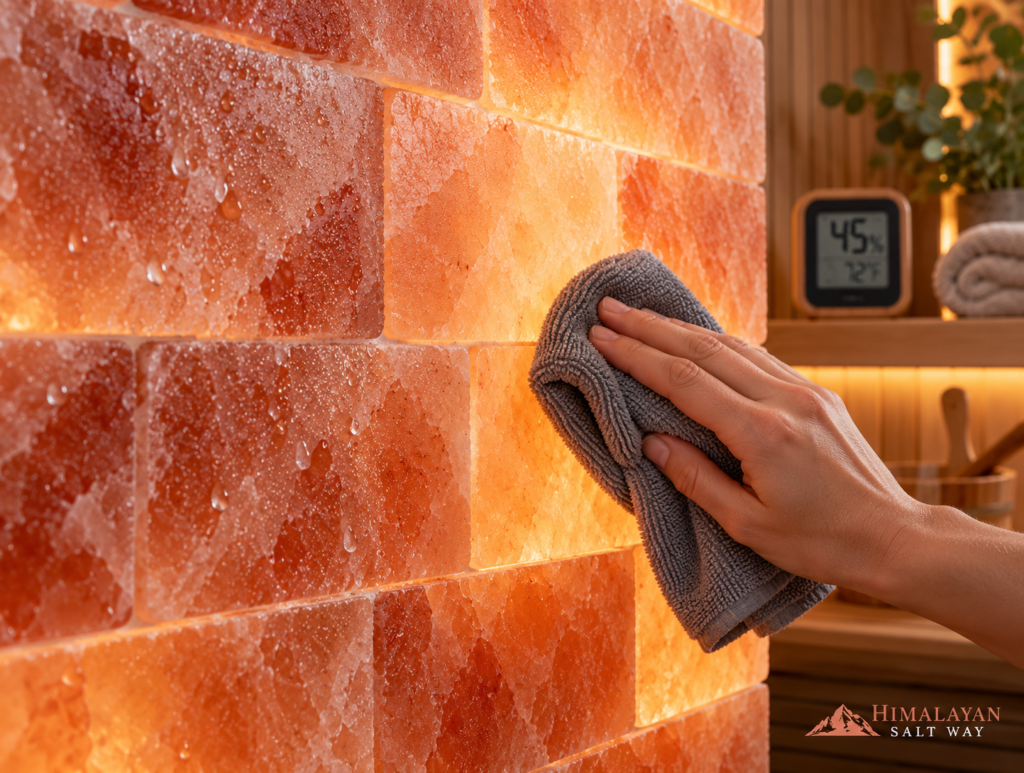
Existing pink streaks, pale areas, and crystal patterns may be part of the material. New wet patches, surface deposits, or discoloration deserve a closer look, especially if they appear alongside damage or recurring moisture.
Compare the product with photographs taken when it arrived. Follow its care instructions, and contact the seller if you are unsure about a change. For an electrical product showing moisture or damage near its components, stop using it until the issue has been assessed.
Do not assume that every new mark is simply another natural shade.
Frequently Asked Questions
Is light pink Himalayan salt genuine?
Light pink is a possible natural appearance. However, color alone cannot confirm authenticity. Check the supplier’s product information and sourcing details.
Are white Himalayan salt products better than pink ones?
Neither color is automatically better. Choose according to your preferred appearance, the product’s condition, and its suitability for the intended use.
Will all the tiles in one order match?
Natural tiles can vary within the same order. Ask about color selection before purchasing if a narrow shade range is important to your project.
Can a pink salt lamp look orange when switched on?
Yes. The light source and the way light passes through the salt can make a pink lamp appear peach, amber, or orange.
Does a darker cooking block season food more strongly?
You cannot reliably predict seasoning strength from color. Contact time, food moisture, temperature, and the condition of the cooking surface are more useful considerations.
Can I choose a shade for its health benefits?
Shade is not an established measure of health benefits. Choose the appearance you enjoy and evaluate any health claim separately from the product’s color.
Natural Himalayan salt shades give each product its own character. Understanding the role of mineral inclusions, crystal structure, and lighting helps you choose with confidence—and appreciate why two pieces rarely look exactly alike.